A Lifestyle Guide To Living In Alexandria
Thinking about Alexandria and wondering what daily life actually feels like once you move beyond the postcard views? That is a smart question, because Alexandria offers more than one lifestyle, and the right fit often comes down to how you want to live day to day. From historic waterfront streets to newer mixed-use districts and park-rich pockets, this city gives you a range of ways to be close to Washington while still having a strong local identity. Let’s dive in.
Alexandria offers a rare mix of convenience, character, and variety in a relatively compact city. The city’s population is about 160,662 as of the July 1, 2025 estimate, and the housing stock spans everything from historic rowhouses to newer condominiums and mid-rise residences.
For many buyers, the appeal starts with livability. Alexandria reports more than 900 acres of parks and dedicated public space, and the city combines that outdoor access with strong transit options, neighborhood business districts, and a walkable urban feel in many areas.
The data also points to a city with economic strength and a highly educated population. Median household income is $119,681, the median value of owner-occupied housing is $735,100, and 66.2% of adults age 25 and older have a bachelor’s degree or higher.
Living in Alexandria often means you can shape your routine around more than just your commute. Depending on where you live, your week might include a waterfront walk, a trip to a neighborhood farmers market, dinner at a local independent restaurant, or an easy transit connection into nearby job centers.
The city is also notably diverse. About 24.9% of residents are foreign-born, and 31.1% of people age 5 and older speak a language other than English at home, which contributes to the city’s broad dining, cultural, and neighborhood character.
For buyers who want close-in access without feeling locked into one style of living, Alexandria stands out. It can feel historic, urban, neighborhood-oriented, or more contemporary depending on the pocket you choose.
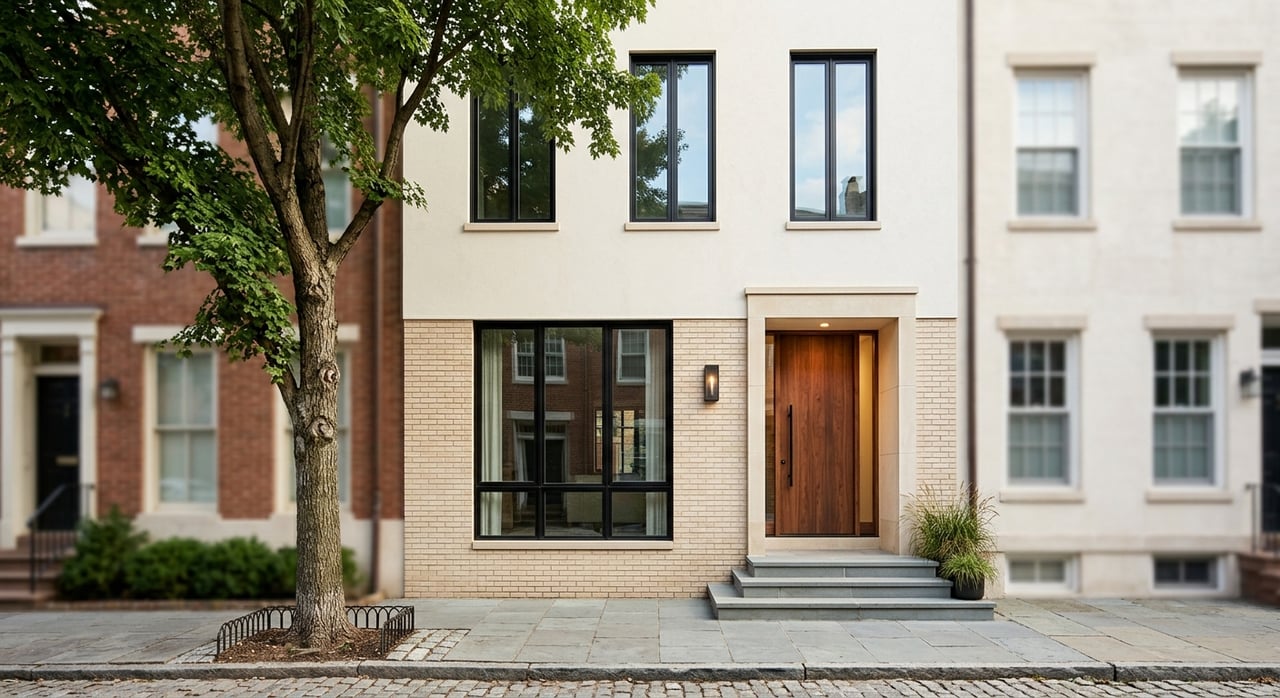
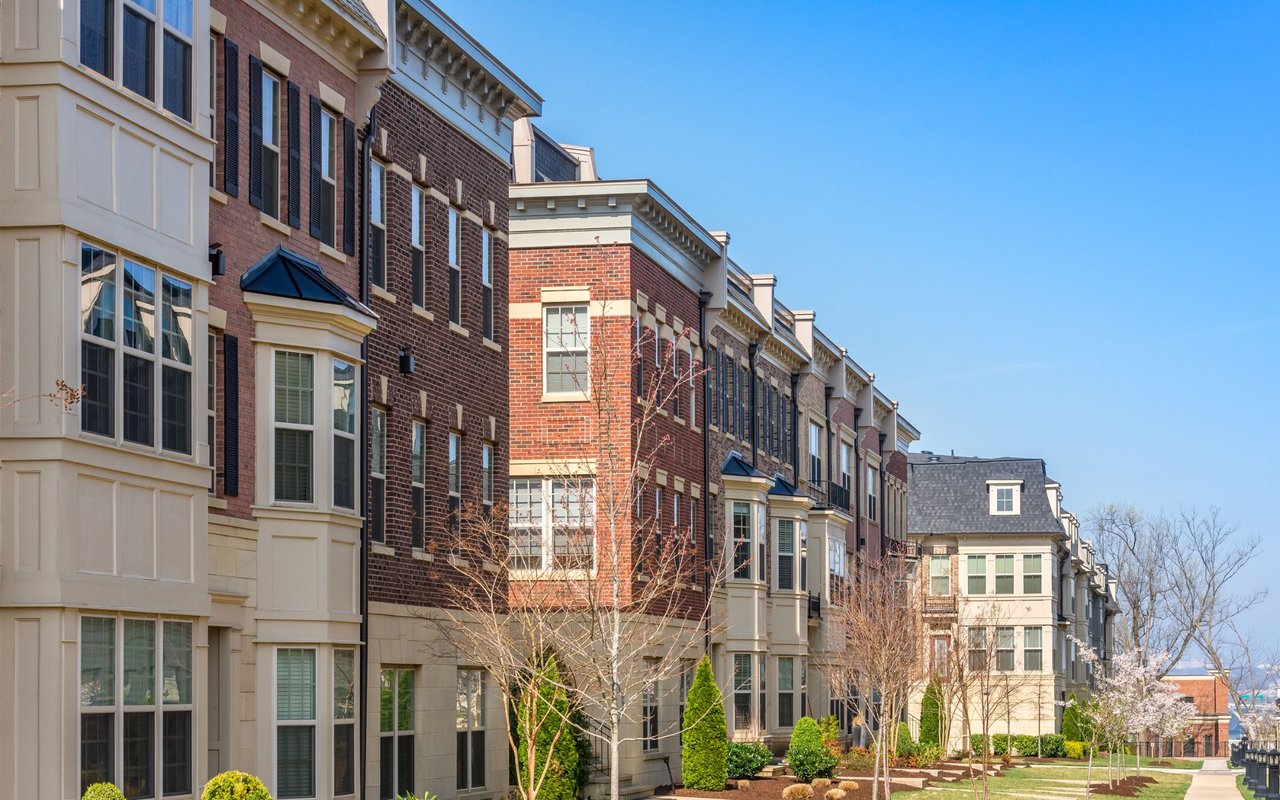
Old Town is the part of Alexandria many people picture first, and for good reason. It is the city’s historic core on the Potomac waterfront, with brick streetscapes, older homes, and more than 200 independent restaurants and shops along King Street.
If you are drawn to history and walkability, Old Town offers a distinctive daily rhythm. The waterfront, marina, short-term and overnight docking, and water taxi access add to the neighborhood’s appeal for buyers who want a setting that feels both established and active.
Old Town also has one of the city’s strongest traditions. The Old Town Farmers’ Market is described by the city as the oldest farmers’ market in the country held continuously at the same site, which adds a reliable weekly touchpoint to neighborhood life.
There is an important practical side to know as well. The city says the Old & Historic District is the third oldest historic district in the United States, and exterior alterations and demolition in the local district are reviewed by the Board of Architectural Review. If you love historic homes, that can be part of the value. If you want broad renovation flexibility, it is something to weigh carefully.
Del Ray offers a different energy from Old Town. It grew from a streetcar-suburb pattern and today is known for a community-scaled feel centered around Mount Vernon Avenue.
This area tends to appeal to buyers who want a main-street atmosphere that feels casual, local, and creative. Visit Alexandria highlights walkability, murals, weekly farmers market activity, art exhibits, vintage shops, and a Wellness District.
If Old Town feels more historic and polished, Del Ray often feels more relaxed and neighborhood-first. For many buyers, that translates into a strong sense of place without giving up proximity to the rest of the region.
Just north of Del Ray, Arlandria-Chirilagua adds another layer to Alexandria’s identity. Visit Alexandria describes it as a small but bustling and diverse community with strong immigrant roots.
For buyers, the appeal here is often about local character and cultural presence. The neighborhood’s food scene and visible sense of identity can be especially meaningful if you want a place that feels grounded in community life rather than a more polished or uniform environment.
If you want Alexandria access with a more contemporary housing profile, Old Town North and Potomac Yard deserve a close look. Old Town North is described as a growing arts and cultural district with new dining destinations, performing arts spaces, and newer mid-rise residential options.
That makes it a useful fit for buyers who want to stay close to the waterfront and Old Town but prefer newer building styles. It can offer a more modern residential experience while still keeping you near the city’s most recognizable amenities.
Potomac Yard also stands out for buyers looking at newer mixed-use living. It sits between Old Town North and Del Ray, is home to the city’s newest Metro station, and includes the new Virginia Tech campus, reinforcing its role as an innovation-oriented district.
Carlyle and Eisenhower offer another version of Alexandria living. These areas are described as an entrepreneurial hub with restaurants, retail, and a more business- and mixed-use-oriented environment.
For some buyers, that office-adjacent convenience is a major advantage. If you want an urban setting with practical access to transit, workplaces, and newer development patterns, this part of the city can make a lot of sense.
The West End feels different again. It is Alexandria’s largest neighborhood and is known for spacious parks, international dining, craft beer, and a strong Ethiopian food presence.
For buyers who want more park access, broader food options, and easier highway connections, the West End can be a compelling alternative to the denser core neighborhoods. It shows how Alexandria can offer a less compact lifestyle while still keeping you within the city.
Transit is one of Alexandria’s biggest everyday advantages. The city says Alexandria is served by three major transit providers: DASH, WMATA, and VRE.
DASH provides local bus service and serves all Alexandria Metrorail stations, while WMATA connects the city through bus and rail service across the region. VRE adds commuter rail service to Alexandria Union Station, Crystal City, L’Enfant Plaza, and Union Station.
For rail riders, King St-Old Town is on the Blue and Yellow lines and connects to Alexandria Station, which also serves Amtrak and VRE. The station also links to a free daily trolley to Old Town and the waterfront.
Potomac Yard station adds another Blue and Yellow line option, and buyers looking on the west side of the city often consider Van Dorn Street as the closest Metro station. In practical terms, Alexandria works well for people who want multiple transportation choices rather than relying on a single route.
One of the most important things to understand about Alexandria is that it is not a one-price, one-product market. The city’s housing analysis shows a meaningful spread across property types and locations.
The average assessed value of a single-family home is $940,375, while the average assessed value of a residential condominium is $407,616. That difference helps explain why Alexandria can attract both buyers looking for historic or larger homes and those seeking a more accessible entry point through condo ownership.
The city also notes that more affordable single-family options tend to cluster in Potomac West, Seminary Hill/Strawberry Hill, Alexandria West, and Landmark/Van Dorn. More affordable condominium stock is concentrated in Landmark/Van Dorn, Alexandria West, Northridge/Rosemont, and Seminary Hill/Strawberry Hill.
From a decision-making standpoint, that means your best fit may come down to tradeoffs. You may choose historic charm and walkability, newer construction and transit convenience, or a more budget-conscious entry into the market through specific condo-focused areas.
Alexandria tends to be a strong fit if you value convenience, neighborhood identity, and access to amenities more than large lots or a purely suburban layout. Buyers who want character and connectivity often find that Alexandria offers a more layered lifestyle than many nearby markets.
Old Town can make sense if you want a preservation-minded waterfront setting. Del Ray is often a good match if you want a smaller-scale main street feel. Potomac Yard and Old Town North can appeal if you prefer newer residential options, while Carlyle and Eisenhower may suit you if office proximity matters.
The West End may be worth deeper consideration if your priorities include parks, international dining, and easier highway access. The best choice usually comes from balancing housing style, commute patterns, renovation goals, and the kind of neighborhood rhythm you want every day.
When you are comparing Alexandria neighborhoods, it helps to look beyond list price alone. A home’s long-term fit often comes from how well it supports your routine, your design preferences, your transportation needs, and your comfort with the tradeoffs that come with older or more regulated housing stock.
That is especially true in a city where historic review, parking flexibility, building age, and housing type can vary so much by neighborhood. A thoughtful buying strategy means weighing value, risk, and lifestyle together rather than treating them as separate questions.
If you are considering a move to Alexandria, the right guidance can help you narrow the city quickly and focus on the areas that truly match how you want to live. If you want a thoughtful, lifestyle-led approach grounded in market perspective, connect with Hanna Abebe.
Whether you’re buying your first home, selling a trust property, or navigating a probate sale, my goal is always the same: to provide honest guidance, strong advocacy, and a smooth experience from beginning to end. Real estate is about people, not just properties. I would be honored to help you take your next step.
2300 Clarendon Blvd Ste 200 Arlington, VA 22201