What It’s Like To Live In Fairfax Station
If you are looking for a Northern Virginia community with more space, more privacy, and easy access to the outdoors, Fairfax Station is worth a closer look. It offers a very different feel from denser, more walkable parts of Fairfax County, which can be a major draw if you want room to spread out and a quieter daily pace. In this guide, you will get a clear picture of what living in Fairfax Station is really like, from housing and commute patterns to parks, errands, and overall lifestyle. Let’s dive in.
Fairfax Station is a census-designated place in Fairfax County with 12,420 residents, according to the 2020 Census. It stands out for its ownership-driven housing profile, with a 94.3% owner-occupied housing rate.
The area also reflects a higher-end market. The U.S. Census Bureau reports a median owner-occupied home value of $897,000 and a median household income of $212,224 based on 2020 to 2024 ACS data.
Those numbers help explain the overall feel of the community. Fairfax Station is less about dense commercial activity and more about residential living, open space, and long-term homeownership.
One of the defining features of Fairfax Station is its low-density residential character. Fairfax County’s comprehensive plan for the Pohick Planning District describes the area as primarily residential and notes that the western portion, especially near the Occoquan Reservoir watershed, is much lower density than the east side of the district.
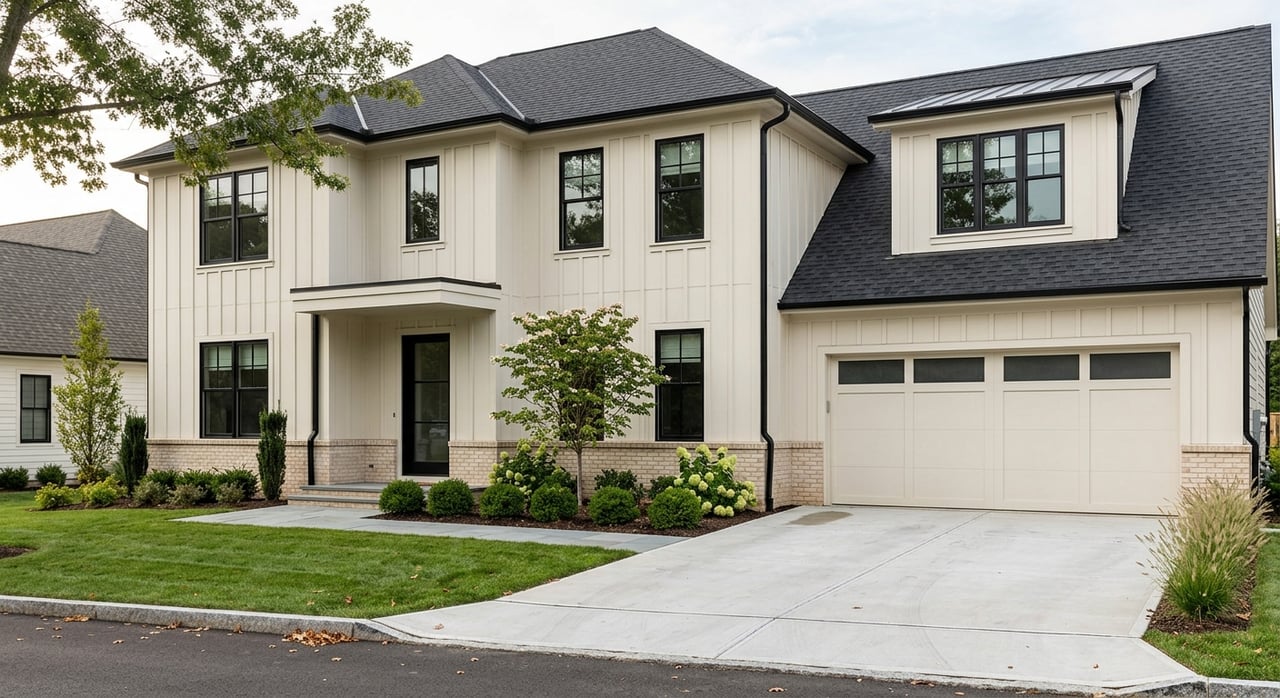
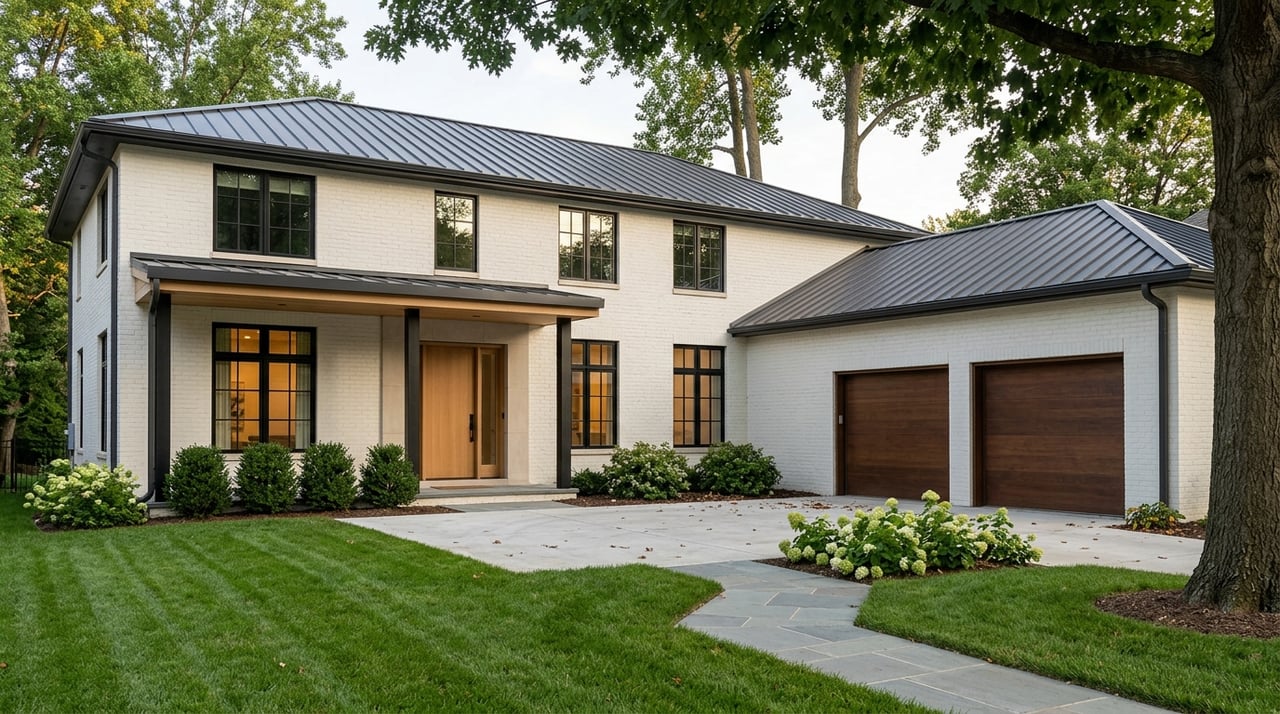
In practical terms, that often means large single-family homes, mature landscaping, and more separation between properties. The county plan specifically notes that this part of the district is typically made up of homes on five-acre lots and calls for preserving its rural and semi-rural character.
That said, Fairfax Station is not made up of only estate parcels. County parcel records show a mix of lot sizes, including conventional subdivision lots, larger residential lots, and multi-acre properties.
For buyers, that creates a useful range. Depending on the street and subdivision, you may find a more traditional detached home on a smaller lot or a property with a more private, estate-style setting.
Fairfax Station tends to appeal to buyers who value privacy, space, and outdoor access over a highly walkable town-center lifestyle. If your ideal home includes a larger yard, mature trees, and a more residential setting, this area may feel like a strong fit.
It can also appeal to buyers thinking beyond the house itself. In a market like Northern Virginia, community layout, lot size, and land constraints often shape both lifestyle and long-term value, so Fairfax Station attracts people who want to weigh those factors carefully.
Outdoor access is one of Fairfax Station’s biggest lifestyle advantages. If being close to trails, water, and parkland matters to you, this area offers an impressive amount of recreation nearby.
Burke Lake Park is located in Fairfax Station at 7315 Ox Road. Fairfax County says the park spans 888 acres and includes a 4.7-mile lake trail.
The park also offers camping, boating, fishing, a marina, mini-golf, disc golf, a train, and a carousel. That variety makes it useful for both everyday exercise and weekend recreation.
Fountainhead Regional Park adds a more rugged outdoor option. NOVA Parks describes it as a roughly 2,000-acre destination with hiking, equestrian, and mountain bike trails.
It also provides trailhead access to the 19.7-mile Bull Run Occoquan Trail. If you enjoy more challenging outdoor spaces, this is one of the area’s standout features.
Sandy Run Regional Park is also located in Fairfax Station along the Occoquan Reservoir. It is primarily known as a scholastic rowing facility and racecourse.
Even beyond specific park amenities, the reservoir-adjacent setting helps shape the area’s identity. Open space and natural surroundings are a real part of daily life here.
Fairfax Station also benefits from trail connectivity beyond individual parks. Fairfax County describes the Cross County Trail as the county’s primary north-south trail.
The county also notes that South Run RECenter and Burke Lake Park can be reached via the South Run Stream Valley Trail from Pohick Road. For residents who enjoy walking, biking, or connecting multiple recreation areas, that adds another layer of convenience.
Fairfax Station is primarily residential, and that matters when you picture day-to-day life. This is not the kind of place where most residents step out to a concentrated downtown shopping district.
According to the county plan, the broader district includes supporting commercial uses in selected areas, but the overall pattern remains low-density housing, open space, and parkland. In simple terms, most shopping, dining, and services are typically reached by car in surrounding Fairfax County centers.
For many buyers, that tradeoff is intentional. You get more privacy and a more spacious setting, while accepting that errands usually require a short drive.
Commuting in Fairfax Station is largely road-based. Fairfax County’s Pohick District overview lists major road access through Fairfax County Parkway, Ox Road, Braddock Road, Rolling Road, Old Keene Mill Road, and Clifton Road.
That network gives residents several ways to move through Fairfax County and connect to the broader region. The U.S. Census Bureau reports a mean travel time to work of 30.2 minutes, which helps frame the community as commuter-oriented but not rail-centered.
For commuters who use bus connections or shared travel options, the South Run Park and Ride is located at 7532 Reservation Drive near Fairfax County Parkway. Fairfax Connector lists 52 free spaces there.
That is not a massive commuter hub, but it can still be a practical local resource depending on your routine.
While Fairfax Station is not built around rail, nearby VRE stations can still be useful. Rolling Road and Burke Centre stations on the Manassas Line are located in Burke.
VRE says its trains run mostly northbound into Washington in the morning and southbound in the afternoon and evening, with Union Station and L’Enfant as inner Washington stops. For some residents, that offers a helpful alternative to driving the full trip.
The overall lifestyle in Fairfax Station is best understood as spacious, residential, and recreation-rich. It is a place where the setting itself often becomes part of the value, whether that means larger lots, tree cover, access to trails, or proximity to reservoir-oriented parkland.
This is not the right fit for every buyer. If you want a highly walkable environment with shops and restaurants clustered nearby, you may find the area less convenient than other parts of Northern Virginia.
But if your priorities lean toward privacy, a quieter atmosphere, and homes with more breathing room, Fairfax Station can offer a compelling alternative. It feels more like an enclave than a typical mixed-use suburb.
When buyers compare Northern Virginia communities, Fairfax Station often stands out for a few clear reasons:
For some buyers, that combination supports both lifestyle goals and a more thoughtful long-range housing decision. Especially in higher-price segments, the relationship between land, privacy, recreation, and convenience can matter just as much as square footage.
If you are weighing Fairfax Station against other nearby communities, it helps to look beyond headline price and focus on how you want to live day to day. That is often where this area separates itself.
If you want help evaluating whether Fairfax Station fits your goals, Hanna Abebe offers thoughtful, data-informed guidance for buyers and sellers across Northern Virginia.
Whether you’re buying your first home, selling a trust property, or navigating a probate sale, my goal is always the same: to provide honest guidance, strong advocacy, and a smooth experience from beginning to end. Real estate is about people, not just properties. I would be honored to help you take your next step.
2300 Clarendon Blvd Ste 200 Arlington, VA 22201